

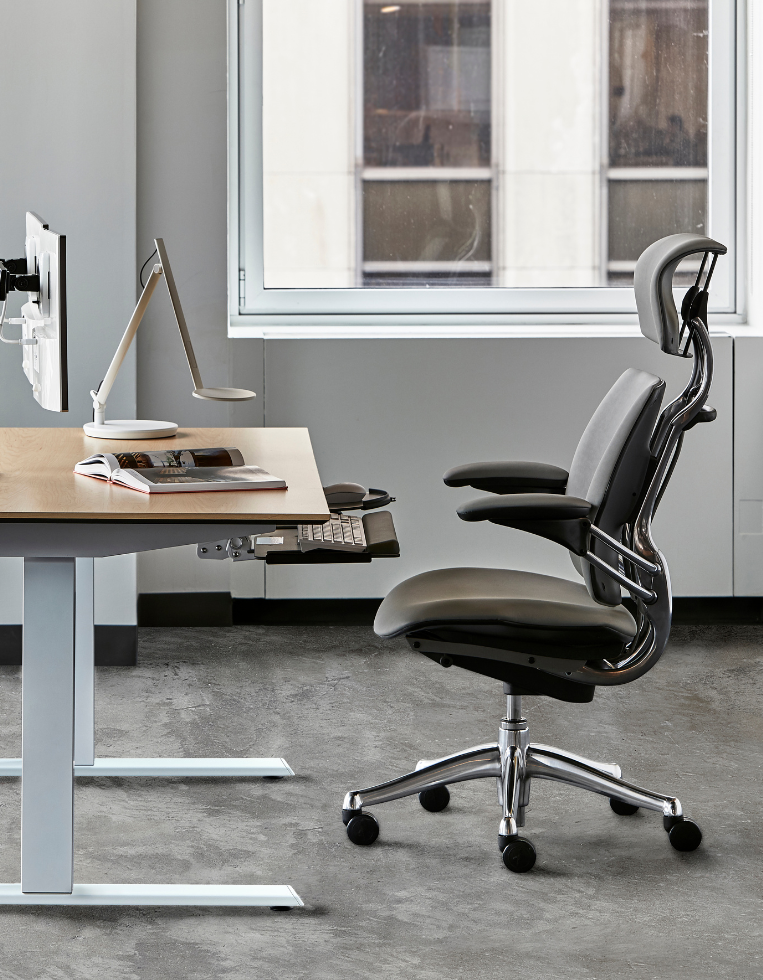
Blog
Why We Spend Thousands on Mattresses But Ignore the Chair We Sit in All Day
Discover why investing in ergonomic chairs in Bulgaria is just as important as buying a high-quality mattress, especially when we spend over 40 hours a week sitting at work.
We carefully research mattresses. We compare memory foam densities. We justify the price because “sleep is essential for health.”
Yet when it comes to the chair we use 8+ hours every day, many professionals choose the cheapest option available.
The paradox?
We often spend more waking hours in our office chair than on our mattress.
Why We Spend Thousands on Mattresses But Ignore the Chair We Sit in All Day
Discover why investing in ergonomic chairs in Bulgaria is just as important as buying a high-quality mattress, especially when we spend over 40 hours a week sitting at work.
We carefully research mattresses. We compare memory foam densities. We justify the price because “sleep is essential for health.”
Yet when it comes to the chair we use 8+ hours every day, many professionals choose the cheapest option available.
The paradox?
We often spend more waking hours in our office chair than on our mattress.
The Time Reality: Where We Spend Most of Our Lives
The average adult:
- Sleeps 7–8 hours per night
- Works 8–9 hours per day
- Sits for over 40 hours per week
According to the World Health Organization, prolonged sitting is now recognized as a major health risk linked to musculoskeletal disorders and cardiovascular strain.
Over a year, that equals 2,000+ hours seated at work.
Yet while mattresses are framed as health investments, office chairs are often treated as basic furniture.
The Science: What Poor Seating Actually Does to the Body
Musculoskeletal disorders (MSDs) are one of the leading causes of workplace absenteeism in Europe. The European Agency for Safety and Health at Work (EU-OSHA) reports that back pain remains the most common work-related health complaint across EU countries.
A peer-reviewed study by Robertson et al. found that ergonomic interventions, including adjustable seating, significantly reduced musculoskeletal discomfort and improved productivity.
Another study showed that employees provided with ergonomic chairs and workstation adjustments experienced measurable improvements in productivity and pain reduction.
Unlike a poor mattress, which disrupts sleep quickly, a bad office chair causes gradual spinal compression, muscle fatigue, and postural imbalance over time.
This is why investing in ergonomic chairs in Bulgaria is a preventive health decision not a design upgrade.
Productivity Is Directly Linked to Physical Comfort
A study from Cornell University’s Human Factors and Ergonomics Laboratory found that ergonomic seating can increase productivity by up to 17% by reducing discomfort and improving posture.
When discomfort decreases:
- Focus increases
- Break frequency decreases
- Fatigue is delayed
- Cognitive endurance improves
Even minor improvements in comfort can have measurable ROI for businesses.
If you want to understand the economic breakdown of this investment, we’ve detailed it here:
Ergonomic Office Chair Cost-Benefit Analysis 2025: ROI & Workplace Impact
For employers and remote professionals in Bulgaria, the numbers are clear — comfort drives output.
Why Mattresses Get the Budget And Chairs Don’t
1. Immediate vs. Delayed Pain
A bad mattress causes immediate discomfort.
A bad chair creates cumulative strain.
2. Cultural Framing
Sleep is seen as health.
Office furniture is seen as operational.
3. Lack of Awareness
Many professionals don’t understand the structural difference between a standard office chair and a properly designed ergonomic chair.
We explain that difference clearly in this guide:
What’s the Difference Between an Ergonomic Work Chair and a Regular Office Chair?
The distinction is not aesthetic, it’s biomechanical.
What Makes Ergonomic Chairs Different?
High-quality ergonomic chairs in Bulgaria are designed to support:
- ✔ The natural S-curve of the spine
- ✔ Dynamic sitting (micro-movements)
- ✔ Adjustable lumbar support
- ✔ Seat depth and height customization
- ✔ Armrest positioning aligned with desk height
- ✔ Even pressure distribution
The goal isn’t forcing perfect posture.
It’s supporting movement while reducing spinal compression.
Research published in the Spine Journal confirms that adjustable lumbar support reduces lower back strain and disc pressure compared to fixed seating.
Remote Work in Bulgaria: A Growing Risk Factor
Hybrid work has changed seating habits across Sofia, Plovdiv, Varna, and beyond.
Many remote workers use:
- Dining chairs
- Sofas
- Bar stools
These were never designed for 6–9 hours of daily use.
A 2021 study published in the International Journal of Environmental Research and Public Health found that remote workers without ergonomic setups reported significantly higher rates of musculoskeletal discomfort during the pandemic shift to home offices.
As remote work increases in Bulgaria, investing in ergonomic chairs becomes even more essential.
Prevention Costs Less Than Treatment
Chronic back pain is one of the leading causes of disability globally. Physiotherapy sessions, lost workdays, and reduced performance often exceed the cost of a high-quality ergonomic chair within a year.
Spread over 7–10 years of usage, premium ergonomic chairs in Bulgaria often cost less per day than a coffee — while protecting spinal health long-term.
Just as we wouldn’t tolerate a broken mattress for years, we shouldn’t normalize a chair that compromises posture daily.
Final Word: Your Chair Is Not Office Furniture, It’s Health Infrastructure
We’ve been conditioned to prioritize sleep investments while ignoring seated work posture.
But if we calculate total hours and long-term impact, the logic shifts.
Your office chair supports:
- Your spine
- Your focus
- Your circulation
- Your cognitive performance
- Your long-term mobility
The smarter question isn’t “Why is this chair expensive?”
It’s “How much is my spinal health worth over the next decade?”
FAQ: Ergonomic Chairs in Bulgaria
1. Are ergonomic chairs scientifically proven to reduce back pain?
Yes. Multiple peer-reviewed studies confirm that adjustable ergonomic seating reduces musculoskeletal discomfort and improves productivity.
2. How long should an ergonomic chair last?
High-quality ergonomic chairs in Bulgaria typically last 7–10 years or more with proper use.
3. Is an ergonomic chair necessary if I work from home?
Absolutely. Remote workers without ergonomic setups report significantly higher back and neck discomfort.
4. What is the difference between an ergonomic chair and a normal office chair?
Ergonomic chairs offer adjustable lumbar support, seat depth, armrest positioning, and dynamic recline. Standard chairs lack customization and spinal support.
(See our full comparison guide.)
5. How much should I invest in ergonomic chairs in Bulgaria?
The right budget depends on usage hours. If you work more than 6 hours daily seated, a professional-grade ergonomic chair is strongly recommended.
(See our ROI analysis guide.)
6. Where can I test ergonomic chairs in Bulgaria?
Look for specialized ergonomic providers with consultation services and showroom testing options to ensure proper fit.
Studio Novo: Experts in Ergonomic Chairs in Bulgaria
Studio Novo provides ergonomic seating solutions across Bulgaria, supporting professionals in Sofia, Plovdiv, Varna, and beyond.
We combine scientifically informed ergonomic design with curated premium brands and expert consultation.
📞 Contact: +359 882 282 663
🏢 Showroom: 5 Panorama Sofia Street XS Tower, Ground Floor, Sofia 1766
🌐 Online: workwares.snolw.com
Special Offer: Schedule a consultation this month and receive a complimentary ergonomic assessment (€150 value).
Blog

Why Your Chair Is Ruining Your Sleep
Yes, a poorly fitted office chair can disrupt your sleep. Hours of unsupported sitting build muscle…
The Truth About Workplace Ergonomics: 3 Expensive Myths You Need to Stop Believing
And why “I’ll fix it eventually” is costing you more than you think. You know the setup. A chair dragged in from the dining room…
Hybrid Work Doubled Your Ergonomic Problems
Two workspaces. Two sets of problems. One body absorbing all of it. When hybrid work became the new…